

Cobalt Mining in the UK: Historic Sites and Current Exploration
Cobalt has never been a headline metal in Britain. There was no Cornish cobalt rush, no great northern cobalt field, and no town that grew rich on it. What we have instead is a scatter of small workings, some intriguing mineralogy, and a paper trail in mining journals that stretches back more than two centuries. That history matters more than it might seem, because cobalt now sits on the UK's critical minerals list — and the same geology that tempted Victorian miners is being looked at again.
If you want to understand the UK's cobalt prospects, it helps to start underground, with the people who got there first.
A small industry with a long memory
The word cobalt comes from kobold, the German term for a mischievous underground spirit. Saxon miners blamed the goblins for ore that looked like silver but yielded nothing useful when smelted — and for the arsenic-rich fumes that made them ill. The metal itself turned out to be far from useless: cobalt salts give glass and ceramics a deep, stable blue, and the pigment trade in zaffre and smalt created real demand across Europe.
British deposits were never in that league. In this country cobalt was almost always a by-product or a curiosity — a few tonnes here, a short-lived trial there, a vein that paid for a season and then faded. Output depended on the price of blue pigment and on whatever the lead, copper or silver miners happened to expose. Most UK cobalt workings were opportunistic rather than planned.
Where cobalt was worked in Britain
Four districts come up again and again in the records.
Alderley Edge, Cheshire
The sandstone escarpment above Alderley Edge was worked for copper from the Bronze Age onwards, and cobalt minerals are recorded among the ores in its veins. The mines were driven and re-driven over centuries, with the deepest activity in the eighteenth and nineteenth centuries. Today the Edge is National Trust land, and guided underground trips run through parts of the workings — one of the easiest places in England to see historic metal mining at first hand.
Wanlockhead and Leadhills, Scotland
The leadhills of the Southern Uplands are the richest historic mineral district in Scotland, and cobalt is part of that story. Lead, zinc and silver paid the bills, but the oxidised upper zones of the veins produced vivid secondary minerals, including the pink crusts of cobalt bloom that collectors have prized for generations. The Museum of Lead Mining at Wanlockhead explains the industry well and is a sensible first stop before you try to read the landscape yourself.
Cornwall and the South West
Cornwall's mineral lists include grey cobalt — cobaltite — in several copper and tin mines, particularly in the Gwennap and Camborne–Redruth districts. It was rarely worth chasing on its own. Devon's lead and silver veins threw up similar traces, and small showings are recorded across the Lake District, the Pennines and Wales, including among the complex sulphides of Parys Mountain in Anglesey. None of these became a sustained cobalt operation.
What the old workings still tell us
Discarded mine waste, old level plans and assay books are practical research tools, not just heritage. Victorian miners followed the highest grades they could find and abandoned ground that fell below their cut-off. That leaves a useful question for modern geologists: what did they leave behind, and why?
Old workings also flag the problems any new project would face. Cobalt in the UK tends to occur in arsenic-bearing veins, often in small, awkward orebodies. Getting it out means managing arsenic, treating mine water and dealing with ground that has already been disturbed. Permitting, not geology, is where most UK mineral projects slow down.
Current exploration: cobalt as a by-product
Nobody is drilling a standalone cobalt mine in Britain. The realistic proposition is cobalt recovered alongside something else — tin or tungsten in Cornwall, copper and zinc in Wales, or polymetallic veins in Scotland and the Highlands. That is how the metal is produced almost everywhere outside the Congolese copperbelt, and it is how it would be produced here.
Two things have changed the picture. First, cobalt's status as a critical mineral has focused attention on domestic sources, even modest ones. Second, the British Geological Survey's regional geochemistry and mineral prospectivity work has given explorers a better baseline than the Victorians ever had. Results so far point to small, scattered resources rather than a major deposit — which is exactly what the historic record would predict.
Minerals worth knowing
- Erythrite (cobalt bloom) — pink to crimson crusts, a weathering product and the classic field clue.
- Cobaltite — silvery metallic crystals in high-temperature veins, usually with arsenic minerals.
- Skutterudite and smaltite — related arsenic-cobalt minerals, often grey and easy to overlook.
- Asbolane — black, earthy manganese-cobalt oxides that look like nothing much at all.
- Annabergite — the green nickel equivalent; where you see nickel bloom, look for cobalt bloom nearby.
Getting involved: records, permissions and safety
Whether you are researching a dissertation, collecting for a museum or just curious about the ground under your feet, there is a sensible order of operations.
- Start in the archive. County record offices, the British Geological Survey's online collections and local mining history groups hold plans, assays and correspondence that never made it into print.
- Talk to the landowner before you go anywhere. In the UK, mineral rights can be severed from surface ownership, and access to private land needs permission. Prospecting on protected sites — SSSIs, scheduled monuments, National Trust land — is restricted, and digging or hammering on them is not acceptable.
- Stay on the surface. Adits and shafts are unstable, poorly ventilated and often flooded. Old mine waste is also a dust and arsenic hazard. Look, photograph, record, and leave the underground work to people with training and equipment.
- Join a local mineralogical or geological society. They know which exposures are safe, which are private, and which have already been studied to death.
The practical view
Britain's cobalt heritage is small but real: a handful of districts, a few thousand tonnes of speculation, and mineral specimens that still turn up in museum drawers. Treat that as a guide rather than a disappointment. If UK cobalt is produced again, it will come as a by-product from existing mining districts, in modest volumes, with arsenic and water management built into the plan from day one.
For now, the useful work is unglamorous — reading the records, mapping the old workings, and understanding what the Victorians walked away from. If you are weighing up anything financial or legal, from a mineral claim to an investment, take advice from a qualified professional rather than a mining forum.
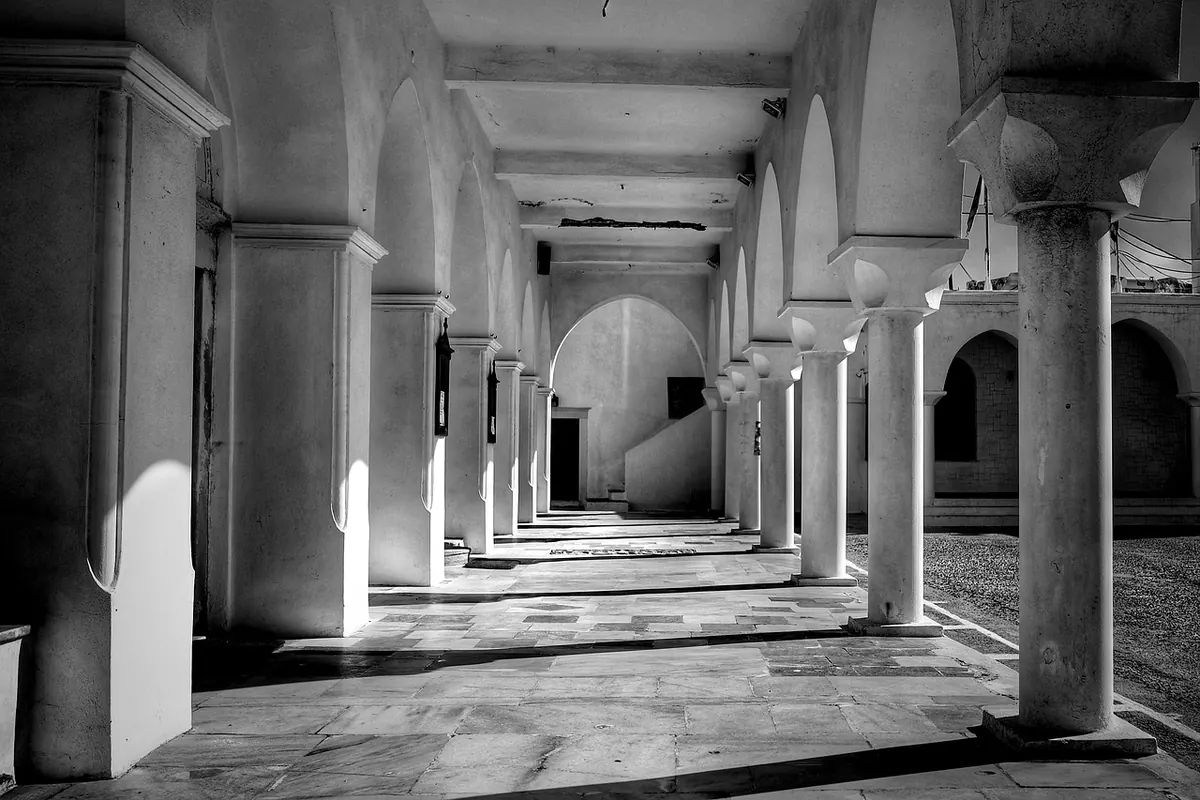
Photo: Tho-Ge / Pixabay