

Cobalt Price Drivers: Supply, Demand and Policy Risks for UK Investors
Cobalt is a small market. Global production runs to a few hundred thousand tonnes a year, which is a rounding error beside iron ore or copper. That thinness is why the price can halve and then double again inside eighteen months. It is also why the metal turns up in so many arguments: it sits in phone batteries, jet engine alloys, cutting tools and refinery catalysts, and it comes out of the ground mostly in one country, largely as a by-product of something else.
For UK investors with exposure — a London-listed diversified miner, a battery materials fund, or an engineering firm selling into the electric vehicle chain — the useful question is not "is cobalt going up?" but "which lever is pulling today?" Here is how the main ones work.
Why cobalt's price behaves so oddly
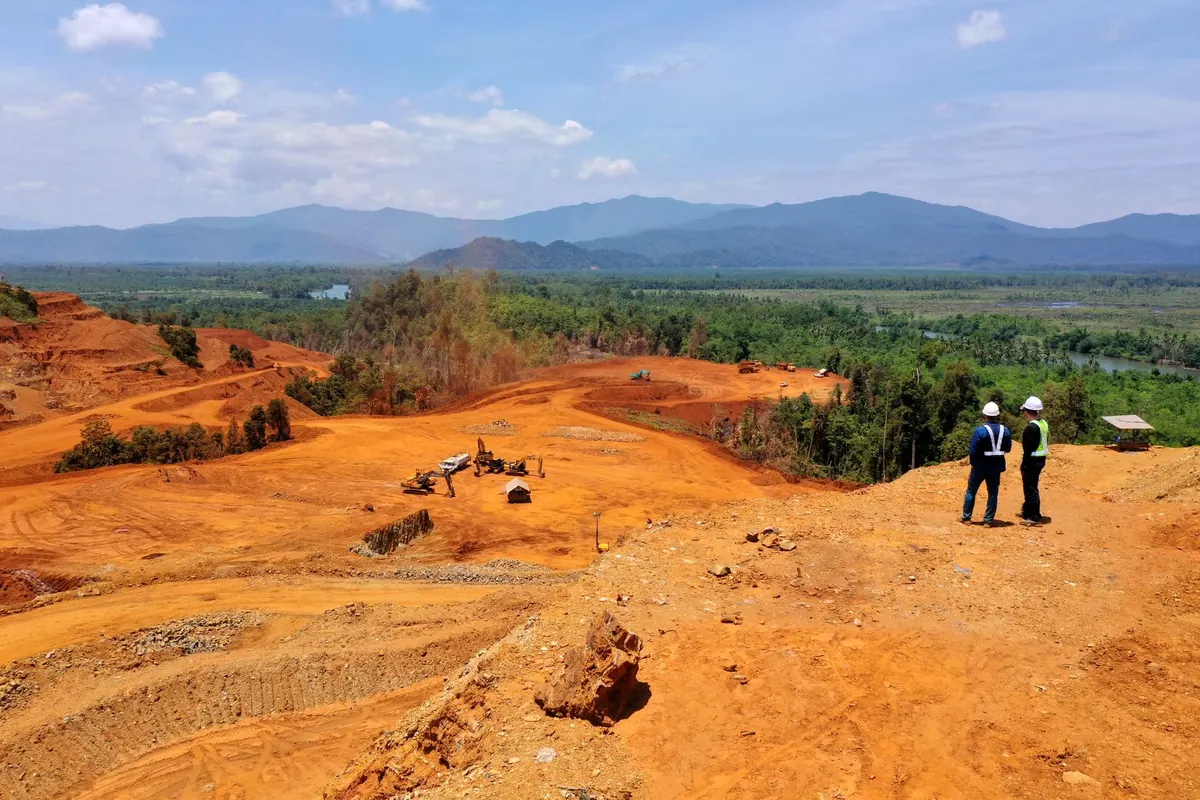
Most cobalt is not mined for its own sake. It arrives as a by-product of copper in the Central African Copperbelt, and of nickel in Indonesia and elsewhere. A copper miner does not dig faster because cobalt is expensive; it digs because copper is. So supply responds slowly in both directions, and oversupply can persist long after prices have fallen.
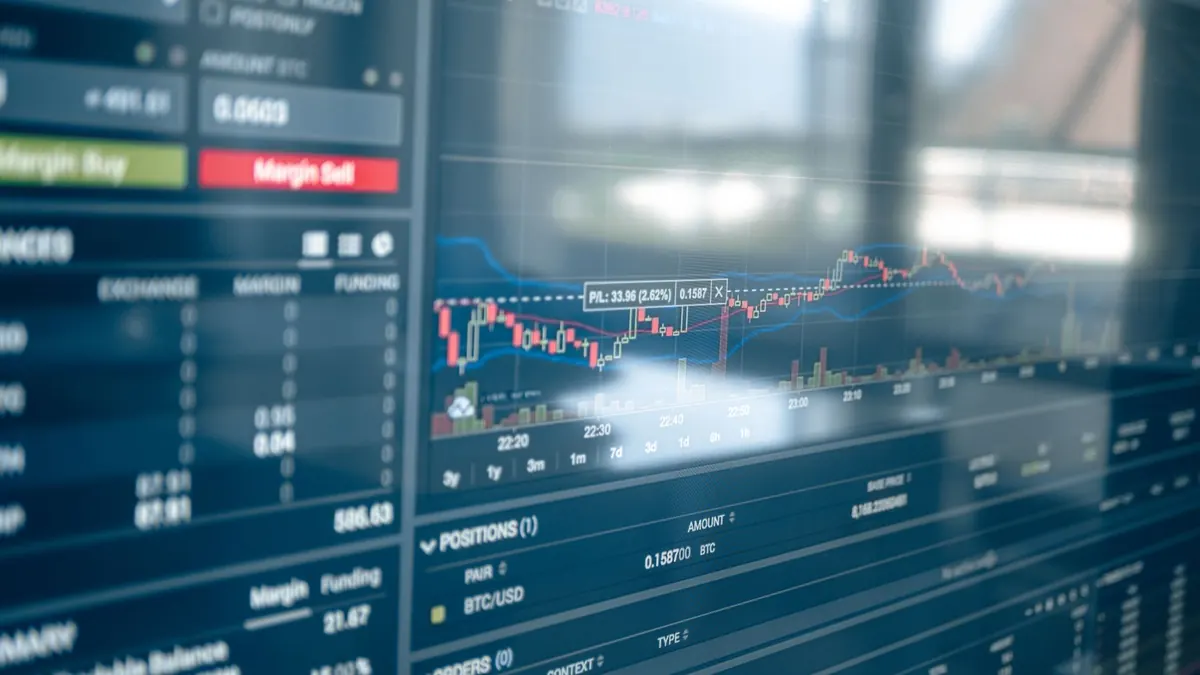
Pricing is equally awkward. There is an LME cobalt contract, but liquidity is modest compared with copper or aluminium. A great deal of physical trade happens as cobalt hydroxide, sold on assessed prices with a "payable" — a percentage of the contained metal price — negotiated between producer and refiner. Add in Chinese sulphate pricing and you have three related but distinct prices. When you read that cobalt has moved, it is worth knowing which one.
Supply: the DRC holds the pen
The Democratic Republic of the Congo accounts for roughly seven in every ten tonnes of mined cobalt, with the bulk coming from industrial copper-cobalt operations around Kolwezi and Lubumbashi. Chinese companies own a large share of that output, which means supply decisions are made with reference to both Kinshasa's priorities and Beijing's industrial policy.
The DRC has learned that it can move the market. In recent years it has used export restrictions and quotas on cobalt concentrates and hydroxide as a way to push prices up and to encourage domestic processing. Whether it uses those levers again depends on the budget position, on relations with operators, and on how much pain its own mining revenue can take.
What to watch on the supply side
- DRC export policy. Quota announcements, licence suspensions and any talk of an outright ban. These move the market faster than anything else.
- Copper prices. They set the incentive to mine in the Copperbelt. Weak copper means less cobalt as a side-effect.
- Logistics and power. Cobalt leaves the region by truck to Durban or Dar es Salaam. Electricity shortages and border delays show up in the price weeks later.
- Indonesian nickel-cobalt output. A growing and largely overlooked source that can quietly cap rallies.
- Tax and royalty changes. Fiscal tinkering changes project economics and can stall expansions for years.
- Buyer avoidance. Human rights and artisanal mining concerns can take tonnage out of Western supply chains even when it is still mined.
Demand: batteries first, but not only batteries
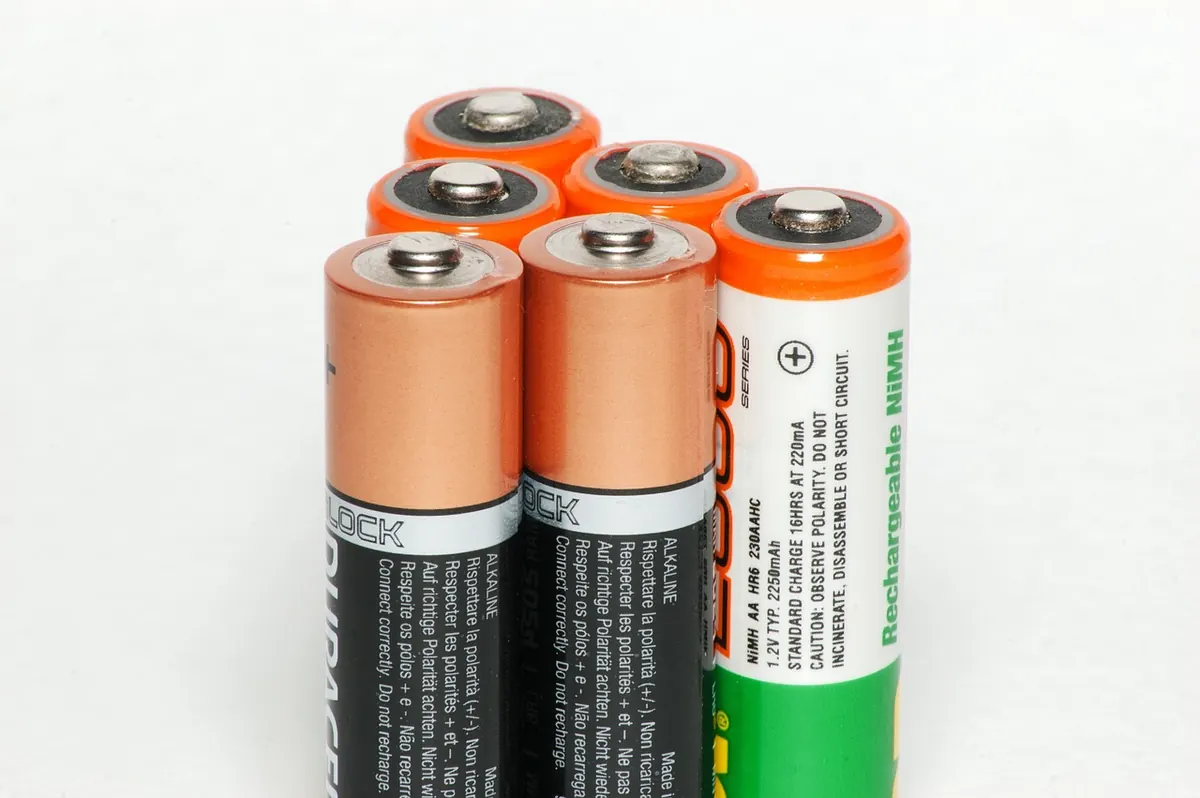
Electric vehicles dominate the cobalt demand story, and that story has a twist. Battery makers have spent years reducing cobalt intensity, and lithium iron phosphate (LFP) cells — which use no cobalt at all — now account for a large share of new capacity, especially for standard-range cars and energy storage.
The consequence is easy to get wrong. EV sales can grow at a healthy clip while cobalt demand grows far more slowly, or stalls. Track tonnes, not percentages. A car with a nickel-rich battery might use several kilograms of cobalt; the entry-level version of the same car may use none.
Beyond batteries, cobalt has quieter but stickier uses:
- Superalloys for jet engines and gas turbines, where qualification takes years and switching is rare.
- Cemented carbides for cutting tools and mining drill bits.
- Catalysts in oil refining and chemicals.
- High-temperature samarium-cobalt magnets, used where neodymium magnets would lose strength.
- Pigments, and cobalt-60 for medical sterilisation.
Recycling is growing and will matter more over time, but from a small base. It is a slow answer to a fast question.
Policy and regulation: the part UK investors underestimate
Britain does not mine much cobalt, so UK exposure is indirect but real. Cobalt is on the UK critical minerals list, and the Critical Minerals Intelligence Centre tracks supply risk for government and industry. Domestic refining and recycling projects are being discussed as a way to reduce reliance on imports, but these are slow builds.
Three regulatory threads matter for anyone holding cobalt-linked shares:
- Vehicle mandates. The UK's zero-emission vehicle mandate requires manufacturers to sell a rising share of electric cars, which ties British demand to whatever chemistries global battery makers choose.
- EU battery rules. Due diligence obligations and carbon footprint requirements are phasing in, and they influence where UK-built batteries can be sold. Supply chains that cannot document their cobalt are increasingly unwelcome in Europe.
- US incentives. Rules that steer subsidies away from Chinese-owned supply chains can split the market, creating a premium for "Western" cobalt and a discount for the rest. That spread is an opportunity and a trap.
This article is general information, not financial advice. If you are deciding what to buy or sell, speak to a regulated adviser.
Reading the signals week to week
If you want a practical dashboard, keep it short. Cobalt hydroxide payables — the percentage of metal price that refiners pay producers — tell you how tight the physical market really is. LME stocks and the cash-to-three-month spread show whether nearby material is scarce. Chinese sulphate prices reveal battery demand. And copper and nickel prices tell you what miners might do next, regardless of cobalt alone.
Add a monthly look at EV registrations in China, Europe and the UK, and a glance at DRC mining ministry announcements. That is enough to spot a change in direction before it reaches the headlines.
How to position yourself sensibly
Start by asking what you actually own. Many companies described as cobalt plays earn most of their money elsewhere; for a diversified miner, cobalt may be a few per cent of revenue. Check whether the business is a low-cost producer that survives a price slump, or a marginal one that needs high prices to stay open. Location matters too — a mine in the DRC carries policy and logistics risk that a recycler in Europe does not, though it may carry a higher cost base instead.
Diversify, size positions so a bad year does not derail your plan, and write down in advance what would change your mind: a DRC quota announcement, a shift in battery chemistry, a copper price collapse. Cobalt rewards patience and punishes conviction. Treat it as a volatile input to a broader portfolio rather than a single bet, and it will do its job.
Photo: AlphaTradeZone / Pexels