


What Is Cobalt? A Beginner's Guide to Its Properties and Uses
Most people meet cobalt long before they learn its name. It sits in the battery that powers the phone in your pocket, in the deep blue of a potter's glaze, and at the core of the vitamin B12 that keeps your nerves working. It is also the metal that gave Saxon miners so much trouble they blamed goblins for it — the German kobold is where the name comes from. What follows is a practical introduction to what cobalt actually is, where it is found, and where you are most likely to run into it.
What cobalt actually is
Cobalt is a transition metal with the symbol Co and atomic number 27, sitting between iron and nickel in the first row of the transition series. In its pure form it is a hard, lustrous, silver-grey metal with a faint bluish cast. Two physical properties stand out.
The first is heat tolerance. Cobalt melts at roughly 1,495 °C and keeps its strength at temperatures where many metals soften, which is why it turns up in jet engine components, gas turbines and cutting tools.
The second is magnetism. Cobalt is ferromagnetic, like iron and nickel, but it holds its magnetic ordering to far higher temperatures. Iron loses it above about 770 °C; cobalt keeps going to around 1,115 °C. That single difference explains why cobalt alloys appear in high-performance magnets, and in motors and sensors expected to work in hot places.
Chemically, cobalt is mostly about two oxidation states, +2 and +3. Cobalt(II) salts are the ones you may have seen without realising: cobalt chloride turns from pink to blue as it dries, which is why it was traditionally used in humidity indicators and in the sachets packed with electronics.
Where cobalt comes from
Cobalt is not scarce in the Earth's crust, but it rarely sits in one convenient place. It usually appears as a trace element locked inside other minerals — cobaltite, skutterudite, erythrite and a range of sulphides and laterites. That has a practical consequence: most cobalt is not mined for its own sake. It is recovered as a by-product of copper and nickel operations, so the supply of cobalt often depends on decisions made about entirely different metals.
The Democratic Republic of the Congo accounts for the largest share of mined cobalt by a wide margin. Zambia, Australia, Canada, Russia, Cuba and the Philippines also produce meaningful volumes. There is growing interest in cobalt-rich crusts on the deep seabed, although extracting them raises environmental questions that are still being worked through.
Trace amounts turn up almost everywhere — in soils, in seawater, and in iron meteorites, which carry a recognisable cobalt signature.
The main uses, in rough order of importance
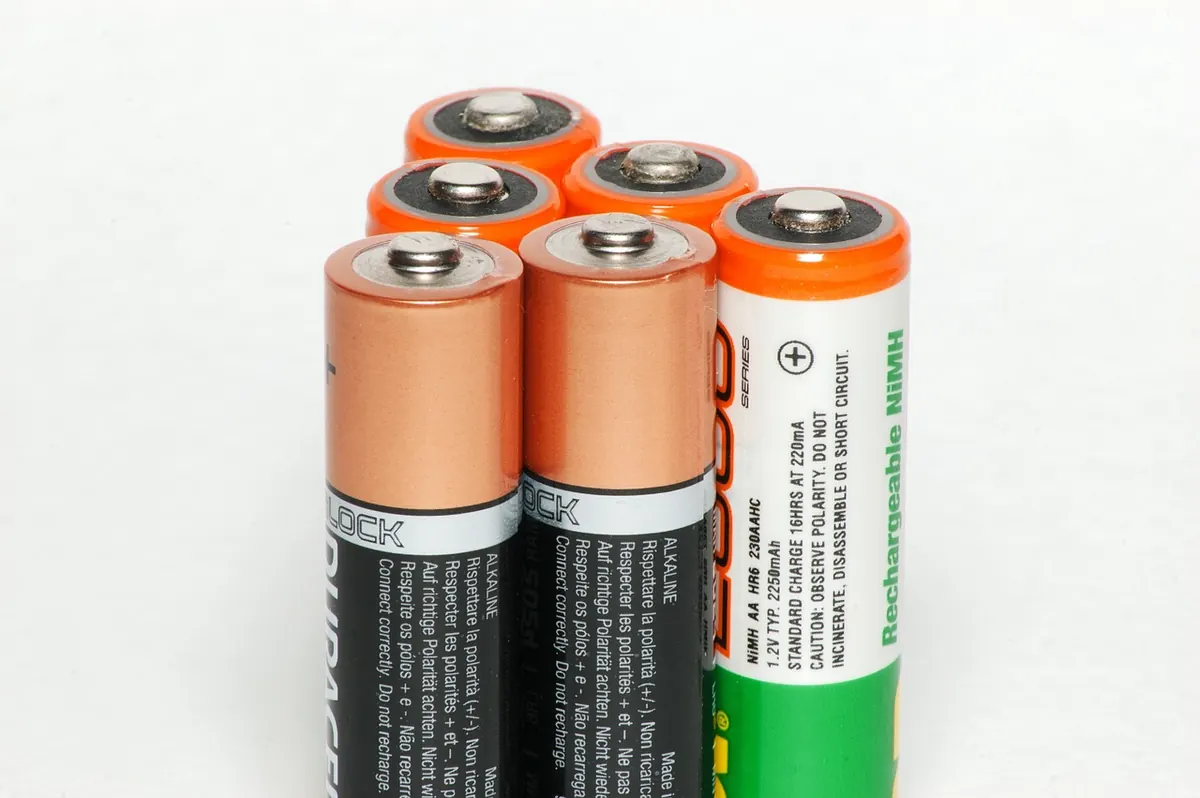
- Rechargeable batteries. Cobalt appears in the cathode of many lithium-ion cells, where it helps hold the crystal structure together and supports high energy density. Battery chemists have spent years reducing the cobalt content, which is why you now see formulations described as NMC or NCA with varying metal ratios.
- Superalloys. Nickel- and cobalt-based alloys keep their strength in jet engines, industrial turbines and chemical plants operating at high temperature.
- Magnets. Alnico and samarium-cobalt magnets deliver strong magnetic performance where heat or corrosion would ruin cheaper magnets. You will find them in motors, sensors and loudspeakers.
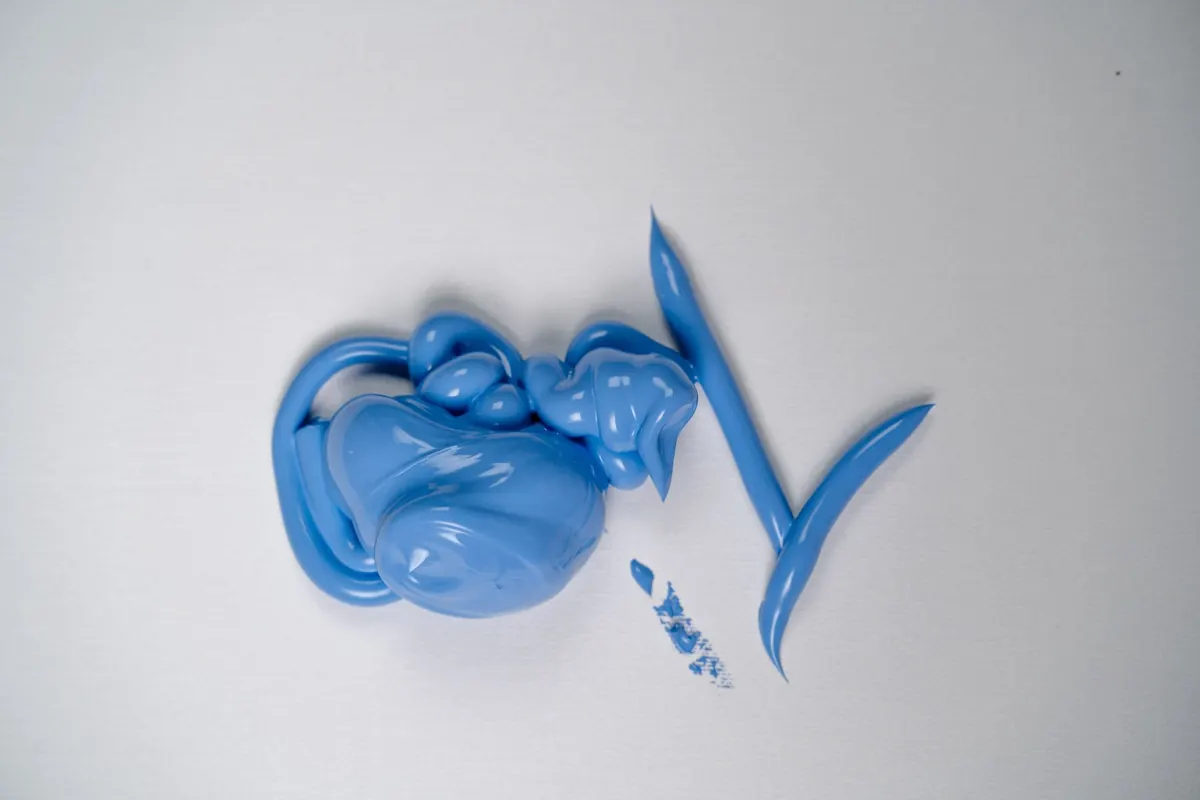
- Pigments. Cobalt blue (pigment PB28, a cobalt aluminate) and cobalt green have been used in glass, ceramics and artists' paints for centuries. Genuine cobalt pigments are expensive, so cheaper "hue" versions are common.
- Catalysts. Cobalt compounds help remove sulphur from fuels and appear in a range of industrial chemical processes.
- Tooling and wear parts. Cobalt acts as the binder in tungsten carbide cutting tools, and cobalt alloys are used to hard-face surfaces that take a beating.
- Medicine and sterilisation. Cobalt-60 is a gamma source used to sterilise medical equipment and, under carefully controlled conditions, to treat certain cancers.
Cobalt and the human body
Cobalt is the metal at the centre of vitamin B12, also called cobalamin — the only known essential role for cobalt in human biology. The amounts involved are tiny, and B12 arrives through food: meat, fish, eggs and dairy are the usual sources. People following a strictly plant-based diet often need fortified foods or a supplement, and it is worth discussing that with a GP or registered dietitian rather than guessing.
One distinction matters. The cobalt inside vitamin B12 is not the same as cobalt metal or cobalt salts, and taking cobalt on its own is not a way to top up B12. Cobalt metal dust is also a recognised occupational hazard: anyone grinding, polishing or machining cobalt-bearing alloys, or handling fine cobalt powders, should use proper dust extraction and respiratory protection.
Why cobalt attracts so much attention
Cobalt sits on the critical raw materials lists of several governments, including the UK and the EU, because demand is concentrated in batteries while supply is concentrated in a handful of countries. That combination makes price swings sharper than for most industrial metals.
There is a human side too. A significant portion of Congolese cobalt comes from small-scale artisanal operations, where working conditions and child labour have been documented concerns. In response, many manufacturers and traders now run due diligence programmes to trace where their cobalt originates.
Recycling is the other pressure valve. Because cobalt is valuable, recovering it from spent lithium-ion batteries is economically attractive, and a growing number of facilities now do exactly that.
Getting to grips with cobalt in practice
If you want to move from theory to something concrete, a few small steps work well.
- Check the battery label on your laptop or power tool. Markings such as "Li-ion" alone will not tell you the chemistry, but some manufacturers list the cell type, and the number will often point you towards an NMC or similar cathode.
- Recycle spent batteries properly. Household battery collection points and retailer take-back schemes keep cobalt in circulation instead of in landfill.
- Look closely at art materials. "Cobalt blue" is a genuine cobalt pigment; "cobalt blue hue" is almost always a mixture of cheaper pigments standing in for it.
- Treat cobalt alloys with respect in the workshop. Cobalt-chrome and carbide tooling are safe to handle, but the dust from grinding them is not something to breathe.
Cobalt rewards a little curiosity. Once you know what to look for, you will start spotting it in the things you already own — and understanding why engineers went to the trouble of using it in the first place.
Photo: Ron Lach / Pexels